

![[EP07] PR in Korea: Getting Your Story Into a Feature](https://static.pulitzer.ai/homepage-blog/3350/2026/05/28/130339_b1867ef3-d960-4e2b-a13a-e45345e3bf7d/ChatGPT_Image_2026년_5월_28일_오후_12_11_11.png)
[EP07] PR in Korea: Getting Your Story Into a Feature
New to PR in Korea? Learn what an editorial pitch is, how it differs from a press release, and how to use it to build deeper brand credibility with journalists.
PR Study for Beginners — EP07
In the last article, we covered what to do after a press release goes out — how to follow up, encourage coverage, and turn each published story into a stronger journalist relationship. This time, we're introducing a different kind of tool entirely.
A press release isn't the only weapon in PR. Today we're talking about the editorial pitch — something that looks a little like a press release on the surface, but works very differently in practice. If you've heard the term before and weren't quite sure what it meant, this one's for you. 😊
1. What's the difference between a press release and an editorial pitch?

ⓒChatGPT
A press release is built for speed. It gets your company's news — a product launch, a funding round, an award — out to multiple outlets at once. It's efficient, and it works well for timely announcements. But because the same release goes to many journalists simultaneously, the impact of any single article tends to be limited.
At some point, most PR professionals hit a moment where a press release just doesn't feel like enough.
Particularly when:
You want to explain the broader significance of a business strategy, not just announce it
You want to position your company within a market or industry landscape
You want to demonstrate genuine expertise by engaging with an industry trend or emerging technology
That's where an editorial pitch comes in. Think of it as the seed of a feature article — a way to tell stories that a press release can't carry, with enough depth and insight to actually stick.
The biggest difference between the two comes down to timing logic. A press release is driven by newsworthiness: something just happened. An editorial pitch is driven by relevance — why does this topic matter right now? The core task is persuading a journalist that this is the right moment for this story.
2. How to structure an editorial pitch
Lead with something the reader already cares about
Don't open with your company name or product. Start with a social trend, a shared problem, or a moment in the news that your audience is already thinking about.
✅ Example: "As AI-generated deepfakes become an increasingly common tool for fraud and harassment, attention is turning to the technologies and companies working to detect and counter them."
A lead like this doesn't feel like PR. It feels like the beginning of a story — which is exactly the point. When the context lands first, journalists and readers follow naturally into the rest.
Build the case with credible evidence
After setting the scene, use data from recognized sources, quotes from known figures, or documented incidents to show why this issue genuinely matters. If you can also show that existing solutions haven't solved the problem, you create a natural opening for what comes next.
Introduce your company as one example among several
This is where your key message goes — but keep it to roughly 20% of the total piece, and frame it as a case study rather than a centerpiece. If you can include a competitor or two alongside your own company, the promotional feel fades further.
One structural tip: put your company last, and give it slightly more space than the others — around 30 to 50% more. The placement and proportion do the emphasis work without announcing it. Verifiable metrics, technical specifics, and a well-chosen executive quote all strengthen this section.
Now that you know the structure, put it into practice.✍️
Pulitzer AI helps you draft your editorial pitch from start to finish. ➡️ Try Pulitzer AI
Close with a forward-looking view
Come back to the broader issue and offer a brief outlook on where things are heading. An editorial pitch that opens and closes on the industry, rather than on your brand, reads as journalism. That's what makes it publishable — and what makes the resulting feature article worth the effort.
3. Don't distribute an editorial pitch like a press release
This is one of the most common mistakes. A press release goes out to your full media list simultaneously. An editorial pitch sent to dozens of outlets at once will almost certainly fail.
The reason: feature articles are treated by editors as original journalism — something their outlet owns. If the same content appears across multiple publications at the same time, it stops feeling exclusive. Editors notice, and it undercuts the pitch. The rule for editorial pitches is one outlet at a time.
📌A few things to have in place before you start pitching:
Rank your target outlets and journalists in order of priority, then contact them individually
Lead every pitch conversation with the "why now" angle — timeliness is your strongest argument
Have the pitch ready several days before your target coverage window
Weekends and public holidays, when news tends to slow down, can be strategic windows for feature coverage
If your first-choice outlet passes, move quickly to the next on your list
The closer your editorial pitch is to publication-ready, the higher your chances of landing a feature article.📝
4. Press releases and editorial pitches work best together
An editorial pitch takes significantly more time and effort to produce than a press release. It's not something you can do every week.
The most effective approach is to use both tools in sequence. Consistent press release distribution builds up a record of your company's news and achievements. An editorial pitch then takes that accumulated material and turns it into something deeper — a story with context, insight, and staying power.
They're not competing approaches. They're a pair. Press releases keep your company visible; editorial pitches build the kind of credibility that a straight news announcement can't.
Pulitzer AI makes preparing an editorial pitch easier
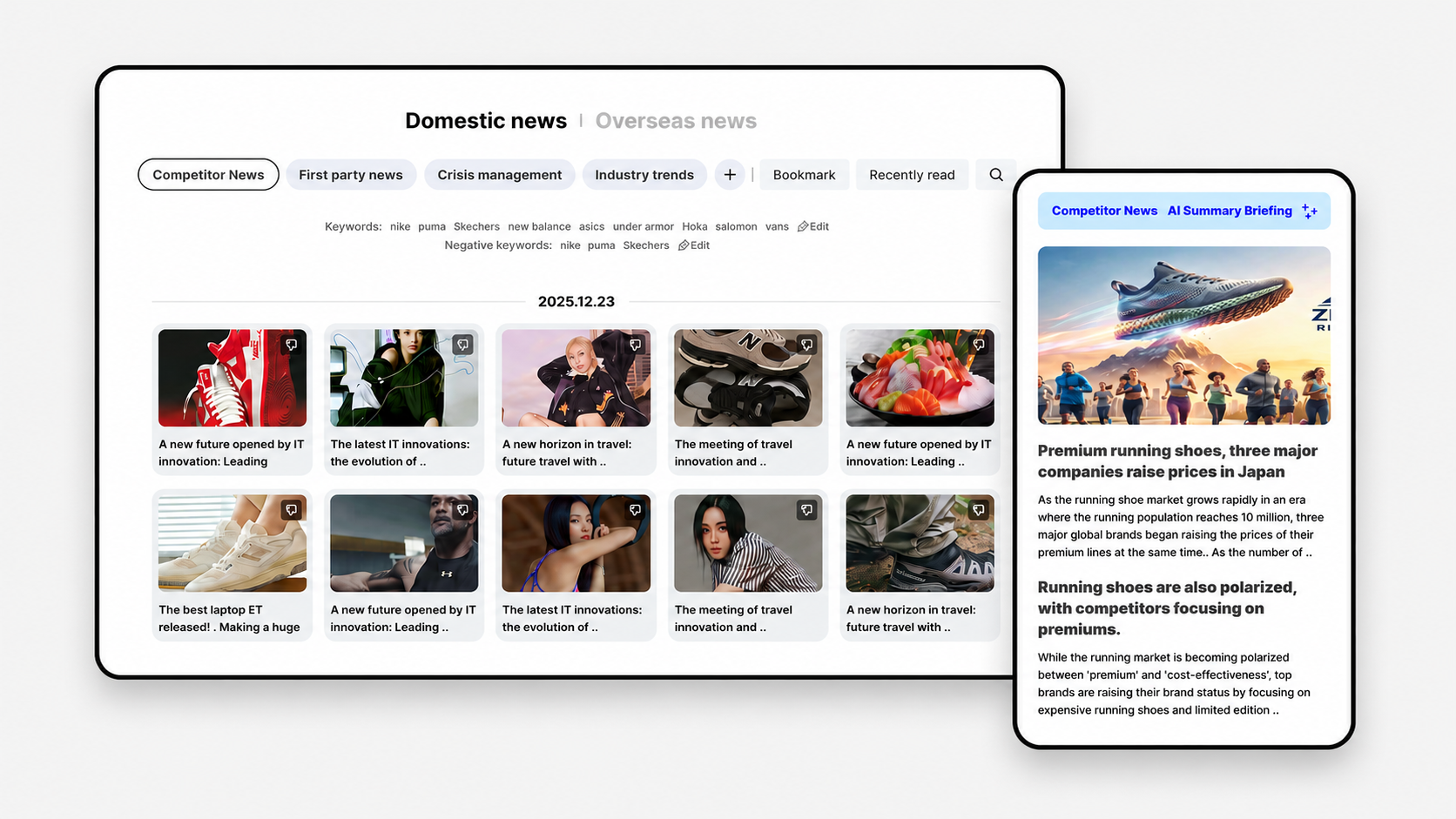
Writing the pitch is only part of the work. You also need to figure out the right topic, the right journalist, and the right moment to approach them.
Pulitzer AI's news clipping feature helps by monitoring keywords across your industry — competitor activity, market trends, emerging topics — so you can spot angles worth developing before the moment passes. When you're tracking the news consistently, the right moment to tell a story becomes much easier to recognize. Pulitzer AI also runs a journalist CRM that lets you track each journalist's coverage interests, so you can tailor your editorial pitch to the right person from the start.
Want to find the right angle and the right journalist before you pitch? 📰 Try Pulitzer AI's news clipping and journalist CRM. ➡️ Explore Pulitzer AI
Coming up next
In the next article, we'll cover media monitoring and performance reporting — how to clip coverage, check whether your key messages landed, and put together a results summary that actually means something. Pulitzer AI is rooting for you. 💪✨