

![[EP06] PR in Korea: How to Turn Coverage Into Lasting Journalist Relationships](https://static.pulitzer.ai/homepage-blog/3350/2026/05/27/145459_a37da6d5-da58-4e29-be3b-d079703a84af/ChatGPT_Image_2026년_5월_27일_오후_02_21_12.png)
[EP06] PR in Korea: How to Turn Coverage Into Lasting Journalist Relationships
New to PR in Korea? Learn how to follow up after distribution, encourage coverage, and turn every press release into a stronger journalist relationship.
PR Study for Beginners — EP06
In the last article, we looked at when to send a press release — the best days, the right time windows, and how to read the news environment before you hit send. This article picks up where that left off: what happens after distribution.
Even a well-crafted press release, sent at the right time through the right channels, won't always get opened. And even when it does, not every release turns into a story. That's just the reality of PR.
But there's another side to this that's easy to miss. When a journalist does cover your release, it's a signal — at minimum, they're paying attention to your company or your news. That moment is also an opportunity to make a genuine connection. The work that happens after distribution is just as important as the distribution itself ✅
1. Before you follow up — check yourself first
ⓒChatGPT
When coverage comes in lower than expected, the instinct is to reach out to journalists right away. But before you do, it's worth stepping back to ask whether the distribution strategy itself has any weak points.
A few things worth reviewing:
Was the timing right — day of week, time of day? Was there a major industry story or competitor announcement that day that pulled attention away? Was the headline strong enough to stand out in a crowded inbox? Did the release actually reach journalists who cover this beat?
Sometimes a release underperforms simply because a bigger story broke the same day. That's not a failure of the release — it's a function of the news environment. Understanding that distinction matters, both for how you communicate internally and for how you approach follow-up.
Before contacting anyone, scan the day's industry coverage. If something significant was happening in your space, that context will make your follow-up more credible and better targeted.
2. Following up — who to contact, and how

ⓒChatGPT
Once you've done that review, the next step is direct outreach💬. The key here is selectivity. A blanket follow-up to every journalist on your list rarely works well and can damage relationships.
Prioritize follow-up with journalists who fall into one of these categories:
Journalists who have covered your company before
Journalists who regularly write about your industry
Journalists who have been responsive in the past but went quiet this time
Journalists whose beat is a particularly strong fit for this specific release
This is also a reminder of why building relationships before you need them matters so much. A strong existing network is one of the best defenses against low coverage on an important release.
On timing: the window just after the main morning press review period — roughly before lunch — is a reasonable moment to follow up. If a release hasn't been processed by midday, it's likely been deprioritized, overlooked, or simply missed. A text message or direct message tends to work better than a phone call here. It's less disruptive, and a message that feels personal rather than broadcast gets a better response.
A basic follow-up message might look like this:
"Hi [name], hope your morning's going well. We sent over a press release earlier today on [topic] — it covers [one-line summary of why it matters]. Happy to resend if it didn't come through, and feel free to reach out with any questions. Really appreciate you taking a look."
If you know the journalist's coverage interests well, a small addition can go a long way:
"I noticed you've been covering [related topic] recently — I think this one connects in a few ways that might be worth a look."
That kind of personalization, even just a sentence, makes a meaningful difference in response rates.
Not sure which journalists to follow up with? 📋
Pulitzer AI helps you identify the right contacts based on their coverage areas and publishing patterns. ➡️ Try Pulitzer AI
3. Track what happens — gut instinct isn't enough

ⓒChatGPT
The word worth pausing on here is "relationship." Press release coverage isn't purely a function of news value. Familiarity and trust between a PR contact and a journalist do influence which materials get attention — it's just harder to measure than a headline or a word count.
To improve results over time, it helps to keep records rather than relying on memory. After each distribution, it's worth noting:
Which journalists and outlet types produced coverage
Which types of releases tend to get the best response
What time windows seem to perform better
What external factors may have affected coverage on low-performing days
Whether follow-up outreach led to any response
Over time, this kind of record shifts your approach from "let's send it broadly and see what happens" to "this story fits this journalist group, at this timing, with this framing."
For journalists you haven't been in touch with for a while, a cold follow-up on a press release can feel abrupt. In those cases, it sometimes works better to combine the outreach with a check-in, a brief update, or a suggestion to meet — something that reopens the relationship naturally rather than leading straight with a coverage ask.
Tools like Pulitzer AI can help teams keep journalist notes, meeting records, and coverage history organized in one place. Relationships are still built by people — but good records make sure nothing important gets lost. 💼
It's also worth doing a light debrief with journalists who respond to your follow-up, even when they can't cover the story. Understanding why — whether it's a matter of timing, editorial priorities, or something about the release itself — gives you useful data for the next round, and a reasonable basis for reporting back internally when coverage falls short.
4. After coverage runs — how to manage the relationship from here
Getting covered isn't the finish line. What you do next shapes the relationship going forward.
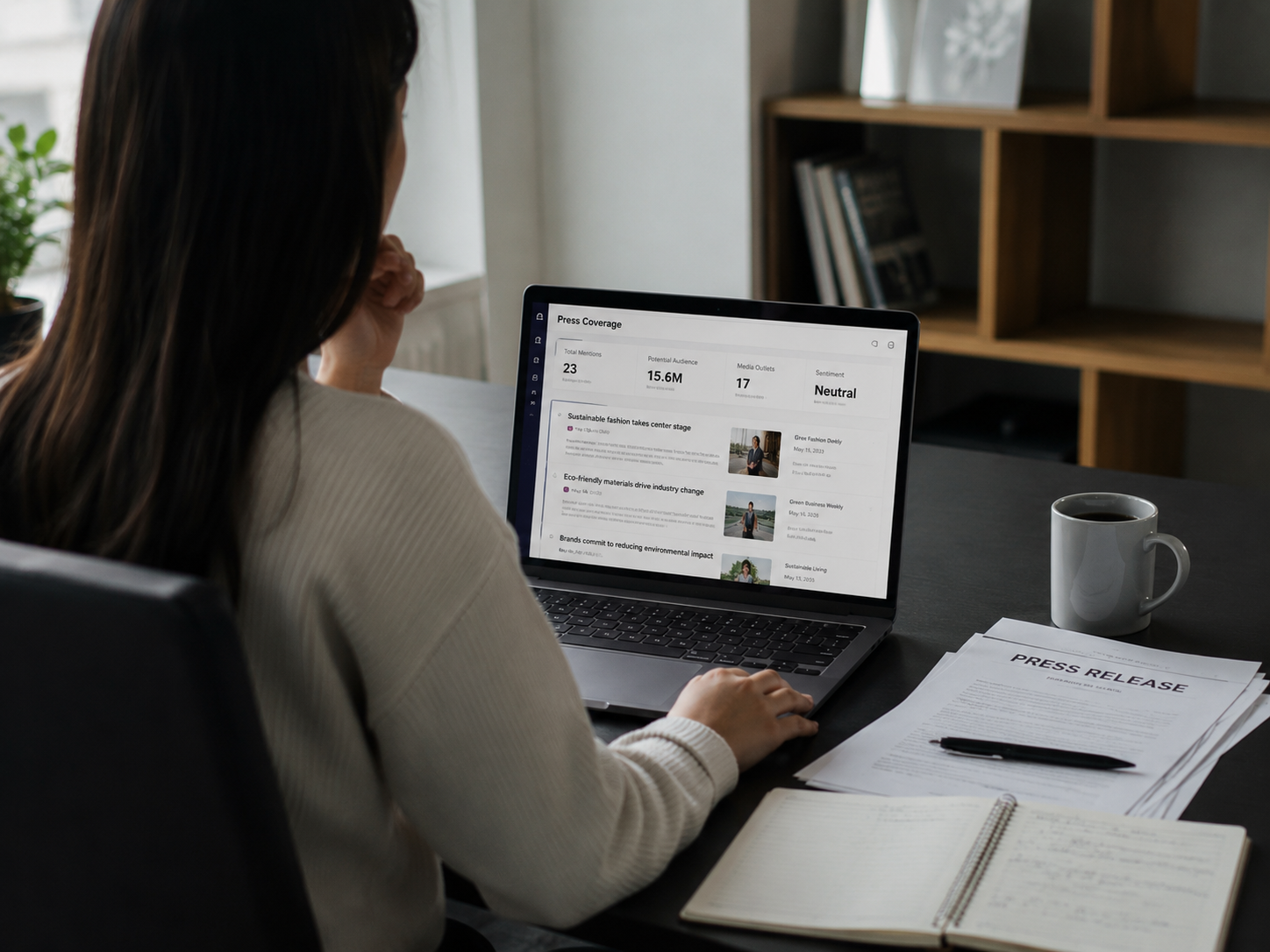
After a release is published, a few things are worth reviewing:
Which outlets and journalists actually responded
Whether the final article reflected the core message you intended to communicate
How the coverage is contributing to search visibility or brand credibility
Which journalists you'd want to prioritize on future releases
For a journalist who covered your release — especially for the first time — a short, genuine thank-you message is always worth sending. Nothing elaborate. Just an acknowledgment that you noticed and that you appreciate it. Over time, you don't need to do this after every article, but checking in occasionally with something like "your coverage has been really helpful for us" goes a long way toward keeping the relationship warm without being transactional.
For journalists who covered the story after you followed up specifically, take a moment to thank them for the extra effort. That small habit compounds over time.
One more thing: some journalists will reach out before publishing — to verify information, ask follow-up questions, or request additional materials. Respond quickly. If a journalist is asking questions, it usually means they're actively working on a story. A fast, clear response can be the difference between a short mention and a fuller piece.
If you can't answer something immediately, say so — and give a rough timeline. Never say you'll look into it and then go quiet. Even when you can't share certain information, explaining why and asking for understanding is far better for the relationship than silence.
Over time, you'll also notice that different journalists treat the same release differently. Some will run a straight news item. Others will use it as a starting point for a deeper feature. Tracking those patterns helps you figure out who to prioritize for which kinds of stories — and that's when PR starts to feel less like broadcasting and more like a real strategy.
Journalist relationship management made easy
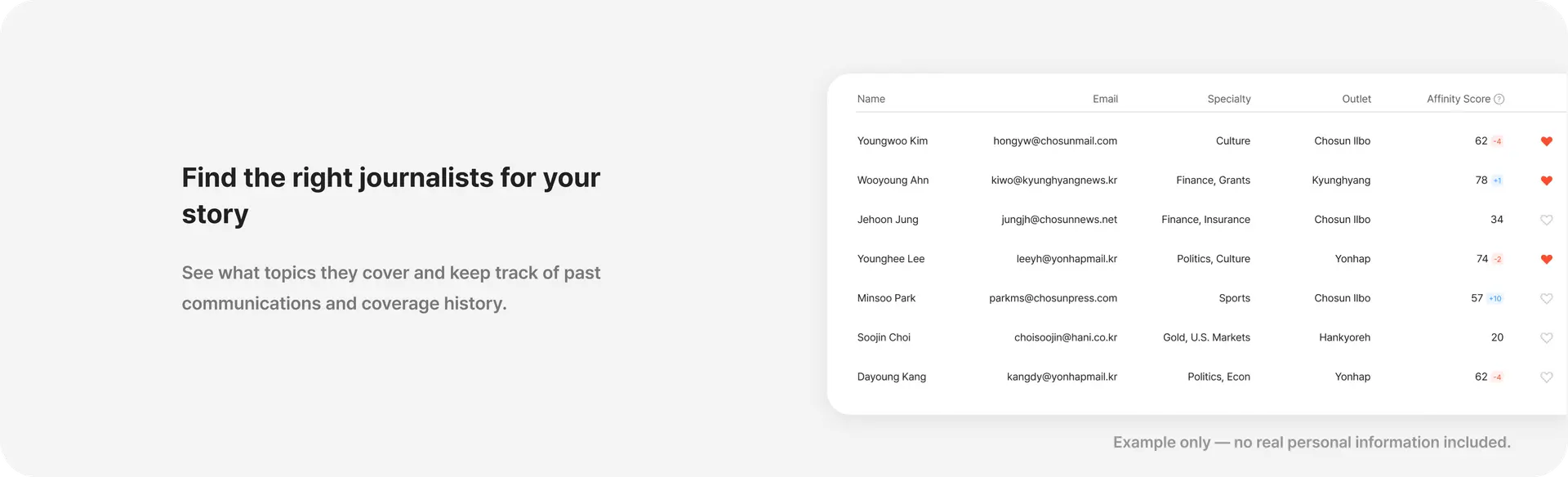
After distribution, there's a lot to keep track of: who received the release, who responded, what got published, who to approach first next time. Managing all of that across spreadsheets, email threads, and message histories gets complicated quickly.
Pulitzer AI is built to support the full PR workflow — from drafting and distribution through post-publication tracking. That includes journalist targeting based on beat and publishing patterns, automatic article collection after coverage runs, and Media Bridge for keeping relationship history and meeting notes organized in one place. Less time on manual tracking, more focus on the work that actually requires judgment. 💡
What's next
In the next article, we'll cover a different kind of PR material: the editorial pitch. What it is, how it differs from a standard press release, and how to make it genuinely compelling to a journalist. Pulitzer AI is rooting for you. 💪
Make PR easier from the first draft to distribution ✨
From press release writing to journalist outreach and media monitoring, Pulitzer AI helps streamline PR workflows. ➡️ Try Pulitzer AI